


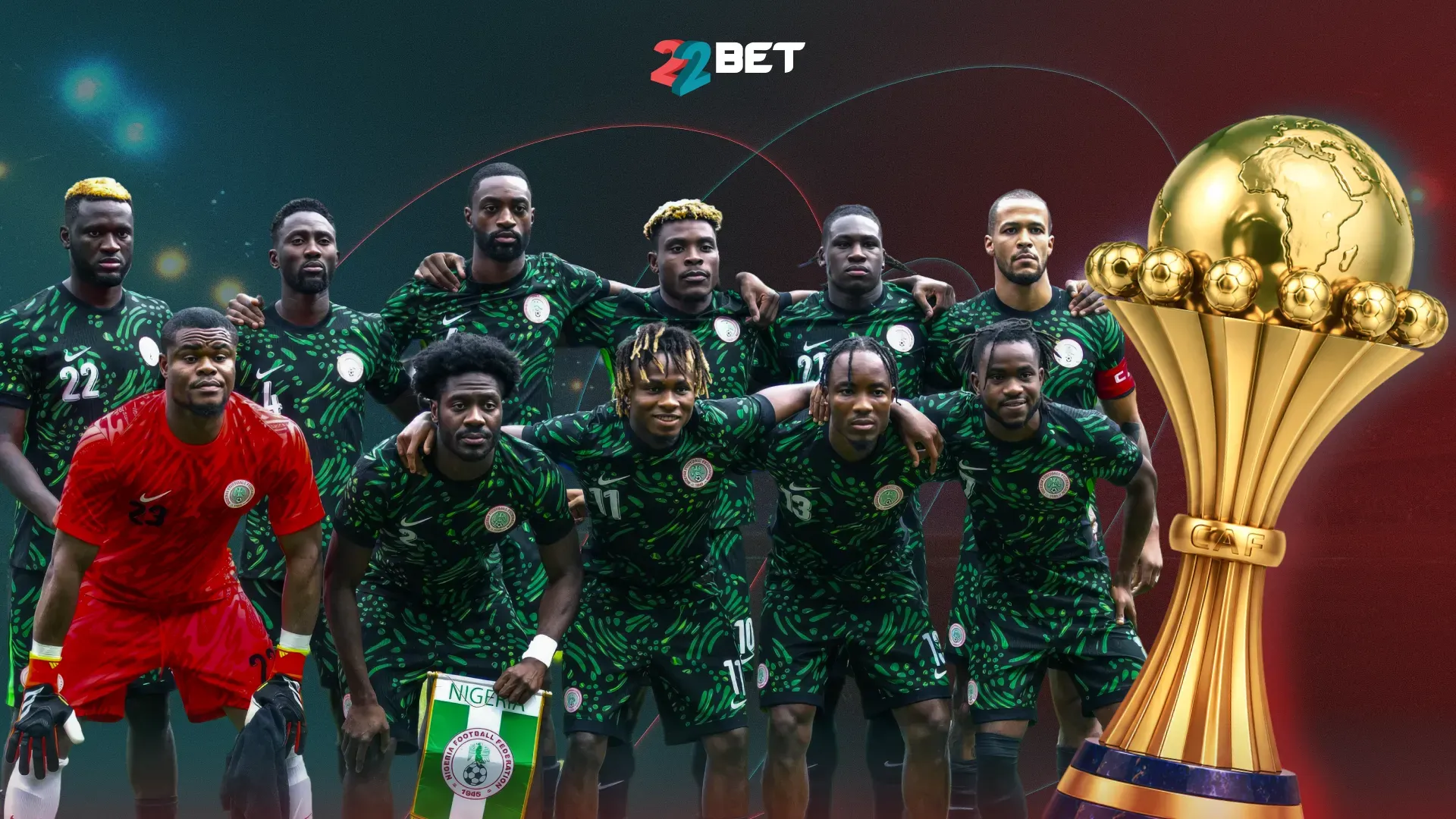
Nigeria’s Super Eagles scored a historic 14 goals at the AFCON 2025 tournament in Morocco, officially cementing this campaign as their most prolific attacking display in Africa Cup of Nations history.
Led by manager Eric Chelle, with the Super Eagles' FIFA ranking at 26th in the world and 3rd in Africa after the AFCON 2025 tournament, the team shattered long-standing national milestones and redefined their tactical identity.
Nigeria's Record-Breaking AFCON 2025 Goal Tally
How the 14-Goal Milestone Was Achieved
The team reached their record-breaking 14-goal milestone through an uncompromising offensive philosophy. Nigeria opened the tournament on a tear, hammering home 8 goals in the group stage alone to set a new national record.
The Super Eagles’ match against Mozambique followed that up with a 4-goal explosion early in the knockout phase, becoming the first team in the tournament to hit four strikes in a single game. The remaining goals were fiercely contested across the deep knockout rounds as opposing defences tightened their structures.
Comparison With Previous AFCON Campaigns
Before the 2025 edition in Morocco, Nigeria's group-stage scoring record stood at a modest 7 goals in the 2004 campaign. They scored 4 times against South Africa and 2 against Benin. By racking up 8 strikes in just their first three matches, the 2025 squad eclipsed the historic baselines set by past iterations of the Super Eagles in their bid to be crowned African champions.
Historically, even legendary title-winning teams like the 1980, 1994, and 2013 squads relied on defensive stability rather than sheer scoring volume to cross the finish line. The 2025 campaign changed this conventional narrative.
How Nigeria Became the Tournament's Top-Scoring Side
High-Press Attacking System
Coach Eric Chelle implemented a high-intensity, vertical pressing system designed to overwhelm opponents through many chances and sustained final-third pressure.
Rather than sitting back and absorbing pressure, the Super Eagles pressed high up the pitch to force turnovers close to the opponent's penalty area. This proactive tactical shift prioritised offensive output, deliberately trading off defensive solidity to outscore competitors.
Team attacking metrics:
- Total Goals Scored: 14 goals across seven tournament matches (8 in the group stage, 4 vs Mozambique in the round of 16, and 2 vs Algeria in the quarter-final; the semi-final and bronze matches ended 0-0).
- Group Stage Dominance: 8 goals scored in just three group matches, averaging 2.7 goals per game (the highest in the tournament).
- Ball Control: 66% average possession during the group stage, ranking first among all competing nations.
- Pressing Efficiency: 6.6 Passes Per Defensive Action (PPDA), indicating an elite high-press that won the ball back quickly to trigger immediate counter-attacks.
Depth of Attacking Options Across the Squad
Chelle masterfully utilised his squad of 28 Super Eagles players. The team allowed the manager to have tactical flexibility during matches and variance when facing different opponents throughout the tournament. The depth allowed fringe players and late-game substitutions to step in without dropping the team's offensive momentum.
Contribution From Multiple Goal Scorers
Nigeria’s campaign was marked by distinct goal threats, defensive contributions, and versatility within the side, which increased their abilities to create and convert chances:
- Distributed Threat: Six different players found the back of the net during the group stage alone, matching a national record; Semi Ajayi (Tanzania), Ademola Lookman (Tanzania and Tunisia), Victor Osimhen (Tunisia), Wilfred Ndidi (Tunisia), Paul Onuachu (Uganda), and Raphael Onyedika (a brace against Uganda).
- Defensive Contributors: Uniquely, defensive-minded players like Semi Ajayi, Wilfred Ndidi, and Raphael Onyedika aggressively pushed forward to register vital goals. This highlighted their appearance on the score sheet during the group stage.
- Versatility: The Super Eagles AFCON squad showed extreme tactical fluidity, striking from all areas with finishing inside the box, two long-range rockets from outside the area, and two headed goals.
Group Stage Dominance: Setting the Tone Early
High Scoring Rate in Early Matches
Nigeria dominated Group C, claiming 9 points from three consecutive matches. They kicked off their tournament with a convincing win over Tanzania, dug deep to overcome a highly-rated Tunisia, and comfortably swept past Uganda using a rotated lineup. Their 8-goal group-stage blitz was the highest scoring rate of any nation present in Morocco.
Group C match Super Eagles result:
- Nigeria 2-1 Tanzania: A dominant opening win set their offensive tone.
- Nigeria 3-2 Tunisia: A thrilling victory where they fought hard to down a highly-ranked opponent.
- Nigeria 3-1 Uganda: A comfortable win using a rotated squad to rest key starters.
Offensive Efficiency and Chance Conversion
The Super Eagles converted half-chances into goals at an unprecedented rate. They averaged 1.54 goals per match at the tournament from 1.32xG, with an average of over 11 shots per game and more than four on target.
Apart from the 14 goals, territorial control was evident by their 66% possession in the group stage and their 58% rate during the overall tournament. They also maintained an elite high-press structure with a PPDA (Passes Per Defensive Action) of 6.6.
This high efficiency was fuelled by exceptional, defence-splitting service from midfield playmakers like Alex Iwobi.
Group Stage Goals Scored:
| Team | Goals |
|---|---|
| Nigeria | 8 |
| Senegal | 7 |
| Morocco | 6 |
Sources: All Football
Knockout Stage Performance and Tactical Shifts
Adjustments Against Stronger Opposition
As the tournament advanced into the quarter-finals and beyond, the Super Eagles ran into elite African heavyweights. Teams with rigid defensive setups limited the space available for quick counterattacks, forcing Nigeria to pivot from wild, expansive attacking bursts to patient, possession-based build-up play.
In the round of 16, the 4-0 win over Mozambique saw the Super Eagles overwhelm the knockout debutants from the opening whistle. The key match stats include 16 shots with eight on target versus 4 (1). They bossed possession (64% versus 36%) and kept a clean sheet (their first in the tournament).
However, the Super Eagles vs Morocco (semi-finals) and Egypt (bronze third-place play-off) presented sterner defensive tests, and Nigeria adjusted accordingly. Against Morocco, a tense, tactical battle unfolded at the Prince Moulay Abdellah Stadium in Rabat. The host nation applied heavy offensive pressure, but Nigeria's defensive block resisted for a full 120 minutes before falling in the shootout.
Nigeria had possession of 46.8% to Morocco’s 53.2%. The hosts had 16 shots to Nigeria's 2, with five on target to Nigeria's 1 (Lookman's), and Nwabali made five saves to force the shoot-out. These trends were replicated in the Super Eagles' result against Egypt (0-0).
Balancing Attack and Defensive Stability
Nigeria's aggressive attacking shape exposed major gaps at the back. Conceding 4 goals in their opening three matches meant that Eric Chelle's side had to address their defensive frailties in the knockout stages.
Tactical vulnerabilities exposed in group stage:
- Overextended Full-Backs: Starters like Bright Osayi-Samuel advanced deep into the winger position in the opposing final third to generate attacking width.
- Vacated Half-Spaces: The space behind the wing-backs was targeted by direct counter-attacks, notably during the tight 3-2 group win over Tunisia.
- Defensive Isolation: Midfield anchors were occasionally pulled wide to cover for overlapping defenders, fracturing the team's central defensive block.
In the deeper knockout rounds, the coaching staff had to deliberately dial back the full-back overlapping runs to establish the defensive balance required to survive knockout football.
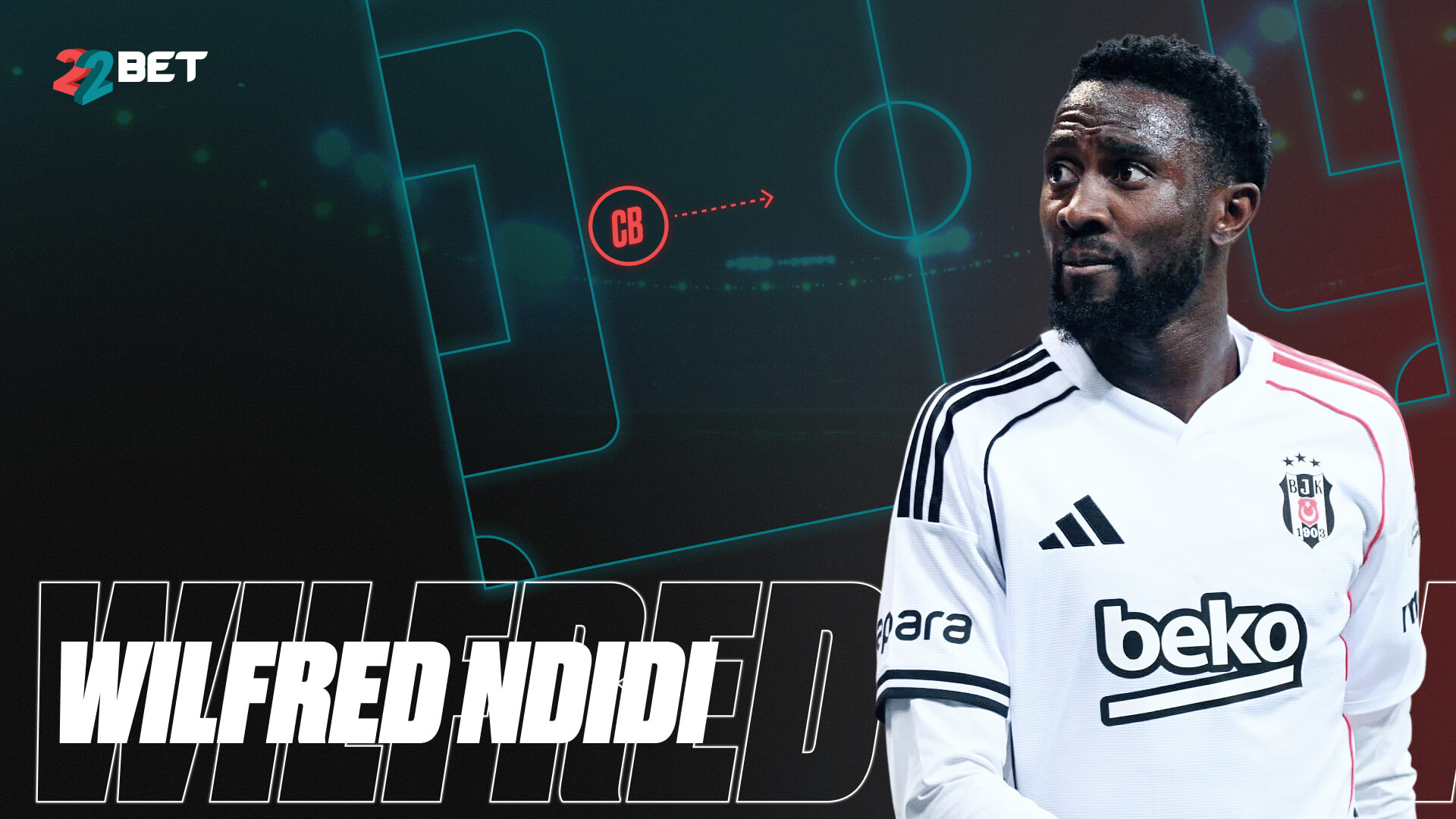
Full-backs were ordered to temper their runs, shifting from an attacking outlet to a balanced back-four shape when out of possession. Super Eagles captain Wilfred Ndidi and Frank Onyeka played in closer proximity to the defensive line, shutting down open passing lanes through the middle.
This tactical change immediately solved the team's balance issues. Nigeria kept consecutive clean sheets against Mozambique (4-0) and Algeria (2-0), holding the latter to zero shots on target during their quarter-final match.
Key Players Behind the Goal Surge
Victor Osimhen's Finishing Impact
The talismanic striker was the focal point of the frontline, destabilising centre-backs with his physical, high-intensity running. Osimhen's brace against Mozambique proved he remains one of the world's most lethal finishers when given space in the penalty area. He also scored 1 goal in Nigeria’s 3-2 win over Tunisia and another goal in the quarter-final 2-0 win against Algeria.
Victor Osimhen struck 4 times and provided 2 assists in 6 appearances for Nigeria's Super Eagles at AFCON 2025. His individual performance made him joint second-highest scorer on four, alongside Egypt's Mohamed Salah and one behind Brahim Díaz.
Ademola Lookman's Creativity and Assists
Lookman operated as the primary playmaker and creative engine of the attack. He led the entire AFCON 2025 tournament in overall goal contributions with seven, sitting one clear of his closest rival, Victor Osimhen, on six. His exceptional vision and ability to unlock low-block defences made him a frontrunner for Player of the Tournament honours.
Ademola Lookman registered 3 goals and 4 assists across 6 appearances for Nigeria at AFCON 2025. His 7 total goal contributions were the highest of any player at the tournament in Morocco, earning him Sofascore's Player of the Tournament honours with an average rating of 7.82.
Supporting Roles From Midfield and Attack
Behind Osimhen and Lookman, several midfielders played a crucial role in driving the record-setting run at AFCON 2025:
- Akor Adams: Enjoyed a breakout tournament performance, combining effectively with Osimhen to form a physical partnership up front. He recorded 2 goals and 2 assists in 7 appearances.
- Alex Iwobi: Stepped out of historic shadows to pull the strings from deep midfield, providing the essential, line-breaking assists and passes that initiated transition attacks. Iwobi registered 2 assists in 6 appearances, acting as the absolute heartbeat and playmaking engine of Nigeria's midfield at AFCON 2025.
- Raphael Onyedika: Anchored the midfield while proving dangerous on late-box arrivals, chipping in vital goals during squad rotations. Raphael Onyedika scored 2 goals in 5 appearances, serving as the tactical anchor and breakout rotation star for Nigeria.
How This AFCON Compares Historically
Ranking Among Nigeria's Best Tournament Performances
Statistically, the 14-goal haul stands as the most prolific attacking display ever. While legendary figures like Rashidi Yekini (13 career AFCON goals) and Odion Ighalo previously carried the team's scoring burdens via individual brilliance, the 2025 team achieved greatness through systematic, multi-player distribution.
Historical Comparison of Nigeria’s Group Stage Goals:
- 2025 Edition: 8 Goals
- 2021 Edition: 6 Goals
- 2004 Edition: 6 Goals
Where It Stands in All-Time AFCON Scoring Records
Nigeria's 12 goals in their first four Super Eagles fixtures outclassed the scoring rates of rival contemporary powerhouses like Senegal, Morocco, Egypt, and Ivory Coast. They were the only side to score four in a single match, and their 12 goals across four games outscored every rival over that stretch, highlighting the statistical gulf between Nigeria’s attack and the rest of the continent.
What the 14-Goal Campaign Means for the Super Eagles
Tactical Identity Moving Forward
The Super Eagles today have a clear tactical blueprint, a direct contrast with the cautious, low-block defensive setup utilised in the 2023 AFCON final loss.
Under Éric Chelle, the team fully embraced their identity as an overwhelming, front-foot attacking powerhouse. Anchored by an ultra-aggressive 6.6 PPDA high-press, this system pinned opponents deep inside their own territory and unleashed an Osimhen-Lookman-Adams attacking axis that contributed to a historic 14 goals across seven matches.
Implications for Future AFCON and World Cup Campaigns
After failing to qualify for the 2026 FIFA World Cup, this high-scoring AFCON response has successfully restored national pride and belief in manager Eric Chelle. The emergence of young talents like Akor Adams adds to the legacy of AFCON 2025 on Nigerian football.


.jpg)